
Interior designers
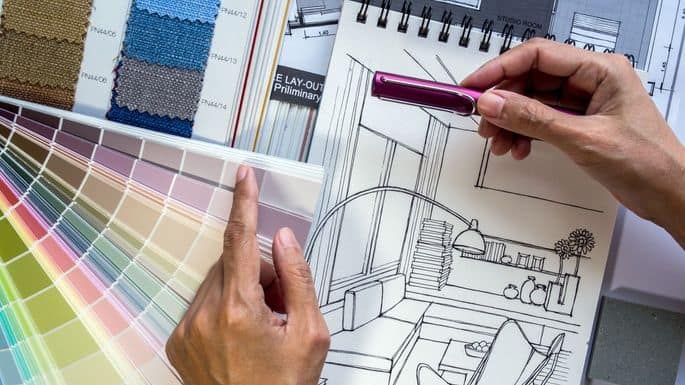
Interior design is the art and science of enhancing the interior of a building to achieve a healthier and more aesthetically pleasing environment for the people using the space. An interior designer is someone who plans, researches, coordinates, and manages such projects.

Interior designers make interior spaces functional, safe, and beautiful by determining space requirements and selecting decorative items, such as colors, lighting, and materials. They read blueprints and must be aware of building codes and inspection regulations, as well as universal accessibility standards.
Interior designers typically do the following:
- Search for and bid on new projects
- Determine the client’s goals and requirements for the project
- Consider how space will be used and how people will move through space
- Sketch preliminary design plans, including electrical and partition layouts
- Specify materials and furnishings, such as lighting, furniture, wall finishes, flooring, and plumbing fixtures
- Create a timeline for the interior design project and estimate project costs
- Place orders for materials and oversee the installation of the design elements
- Oversee construction and coordinate with general building contractors to implement the plans and specifications for the project
- Visit the site after the project is complete, to ensure that the client is satisfied
Interior designers work closely with architects, civil engineers, mechanical engineers, and construction laborers and helpers to determine how interior spaces will function, look, and be furnished. Interior designers read blueprints and must be aware of building codes and inspection regulations.
Although some sketches or drawings may be freehand, most interior designers use computer-aided design (CAD) software for the majority of their drawings. Throughout the design process, interior designers often use building information modeling (BIM) software to create three-dimensional visualizations that include construction elements such as walls or roofs.
Many designers specialize in particular types of buildings, such as homes, hospitals, or hotels; specific rooms, such as bathrooms or kitchens; or a specific style. Some designers work for home-furnishings stores, providing design services to help customers choose materials and furnishings for their new or renovated homes.
Some interior designers produce designs, plans, and drawings for construction and installation. These may include construction and demolition plans, electrical layouts, and plans needed for building permits. Interior designers may draft the preliminary design into documents that could be as simple as sketches, or as inclusive as construction documents with schedules and attachments.
Employment of interior designers is projected to grow 5 percent over the next ten years, about as fast as the average for all occupations. Designers will be needed to respond to consumer expectations that the interiors of structures meet certain conditions, such as being environmentally friendly and more easily accessible. Many interior designers heavily depend on the construction industry to generate new work projects for them.